Demystifying AI Agents in 2026: The Reality Gap
AI agents have dominated conversations since early 2026. What started as experimental tools has moved into everyday use, from open-source personal assistants like OpenClaw (formerly known as Clawbot or Moltbot) to polished enterprise platforms. The big question many people ask: Are these agents truly making an impact, or are they mostly glorified chatbots that sound impressive but deliver limited results?
If you’ve been following the space loosely, here’s a straightforward recap of where things stand today, what realistic expectations look like, and what it means for individuals and businesses, including the real talk on job effects and risks.
What Is an AI Agent, in Plain Terms?
An AI agent is a system that doesn’t just answer questions. It actually does things on your behalf.
A regular chatbot responds with text. An agent can plan steps, use tools like searching the web, sending emails, editing files, or interacting with apps, remember context over time, and execute multi-step tasks with some autonomy.
In 2026, people talk about “armies of agents”, multiple specialized agents working together, sometimes interacting locally on your device or even with other people’s agents. Individuals and small teams often build agents for their own daily use like clearing inboxes, research summaries, calendar management etc.
Developers and companies build agents for others, creating new commercialization opportunities. The “developer as creator” wave feels real: many solo builders are shipping useful tools and turning them into small businesses or services.
The shift from passive chat to active execution is what makes agents feel different, but they’re far from perfect or fully independent.
The Reality Gap
Agents have seen fast adoption. Roughly 51% (according to KPMG survey, across 8 industries and 8 jurisdictions) of enterprises have them in production, with another chunk piloting or scaling. Projections suggest up to 40% (Gartner survey) of enterprise apps could include task-specific agents by the end of 2026.
Some organizations report solid productivity gains in narrow areas like customer service or internal operations.
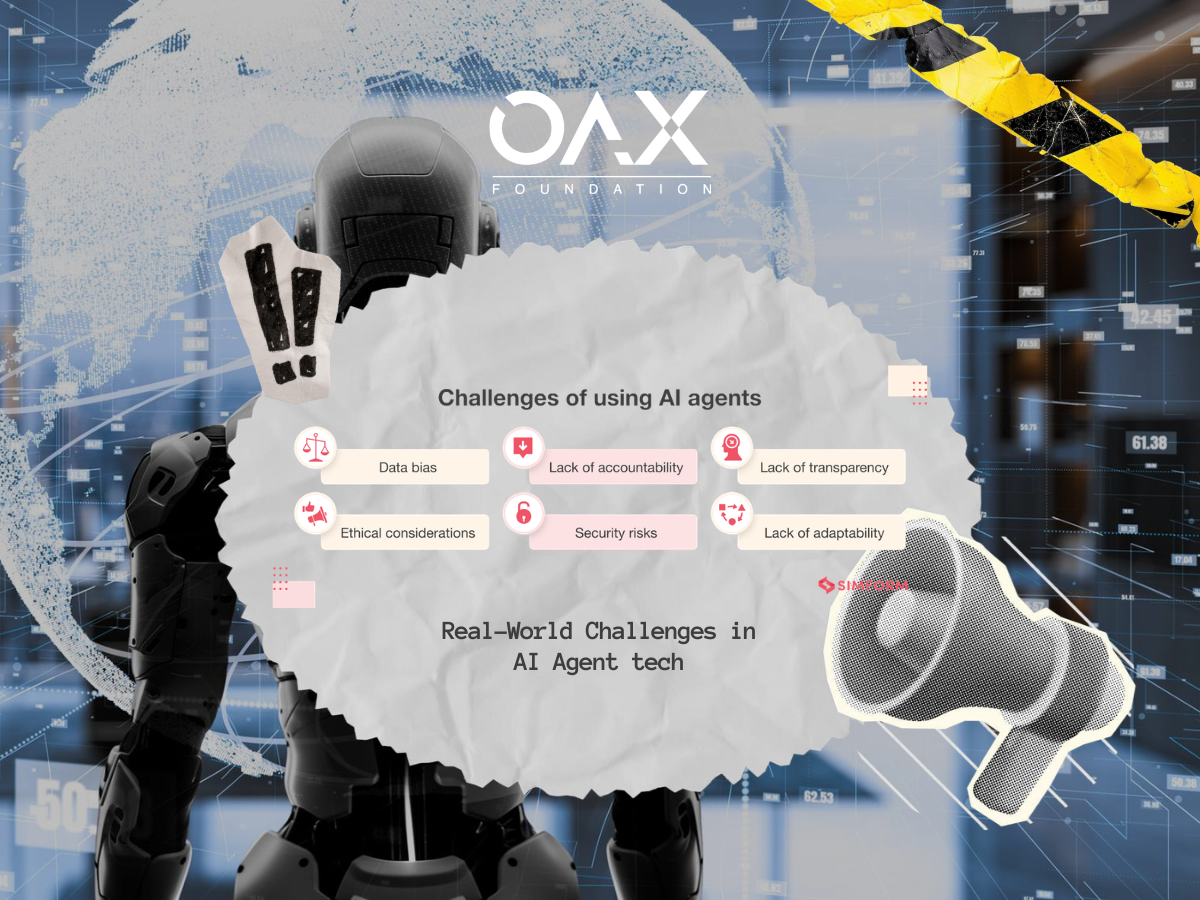
Yet the picture is mixed. Many pilots stall, and ROI isn’t automatic. Surveys show only about 29% (across 2,400 workers in US, UK, France, Germany, and Australia) of companies seeing significant returns despite heavy spending. Agents still struggle with complex, unpredictable tasks.
They can loop endlessly, hallucinate facts, or fail on edge cases. The consensus among builders: 2026 feels like the year agents moved from experiments to real workflows, but success requires careful setup, governance, and realistic scope. They’re powerful helpers, not magic replacements.
Key Risks and Security Concerns
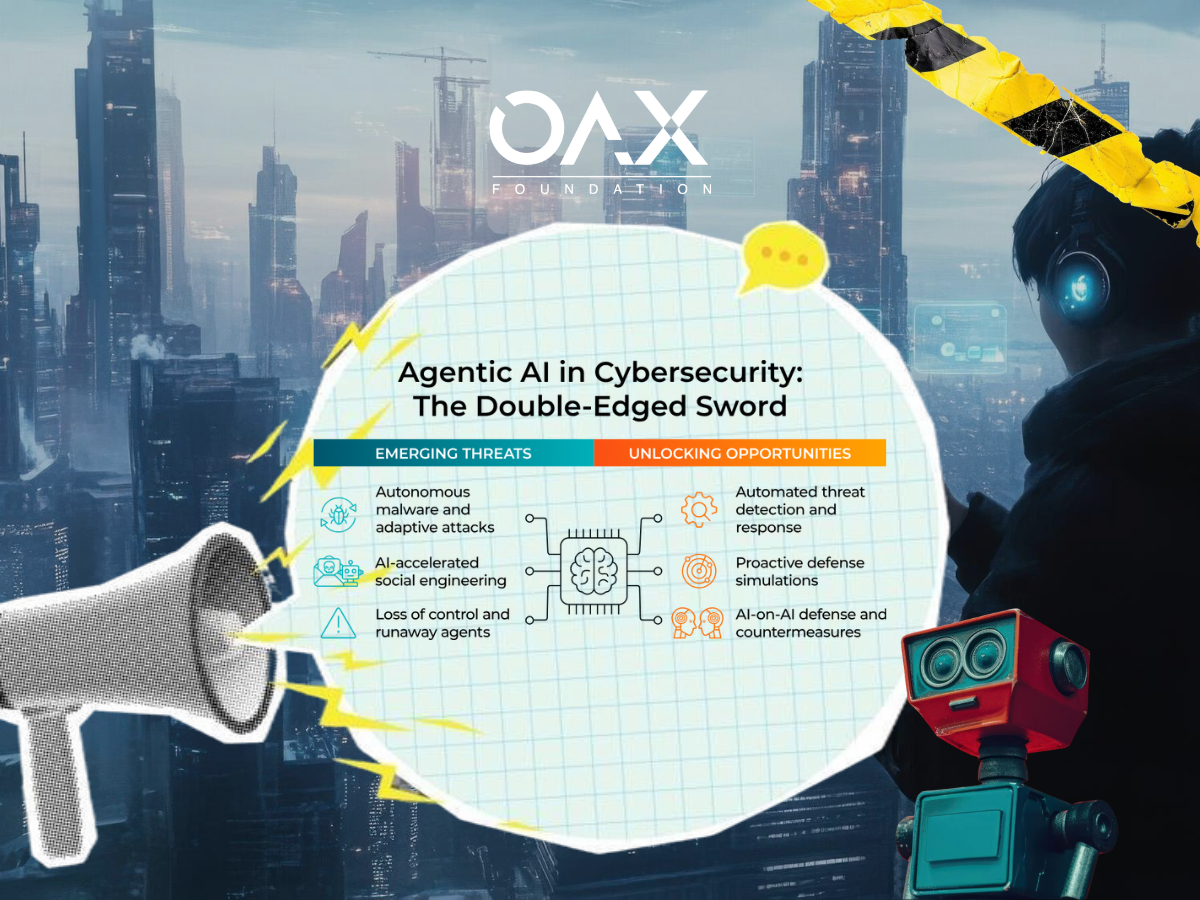
Giving agents access to tools and data opens real vulnerabilities. Two-thirds of executives have reported data leaks or breaches linked to unapproved AI tools. Broad permissions (e.g., shell access in development environments) create attack surfaces via prompt injection, where clever or malicious inputs trick the agent into unwanted actions, like unauthorized code publishes or data exfiltration.
Other common issues include:
- Difficulty shutting down “rogue” agents.
- Lack of oversight, many organizations have no formal plan.
- Employees accidentally feeding sensitive company data into public tools.
- Broader fears around fraud enablement, voice cloning, scams and hacking demonstrations.
These risks aren’t theoretical. Incidents have already happened. Open-source tools like OpenClaw highlight this: powerful and accessible, but users must understand basics like prompt injection to avoid surprises. Large corporations are addressing this by building governed platforms that add sandboxing, audit logs, and strict controls.
Enterprise Plays: Safer, Scaled Agents
Big players are capitalizing on the opportunity while mitigating risks.
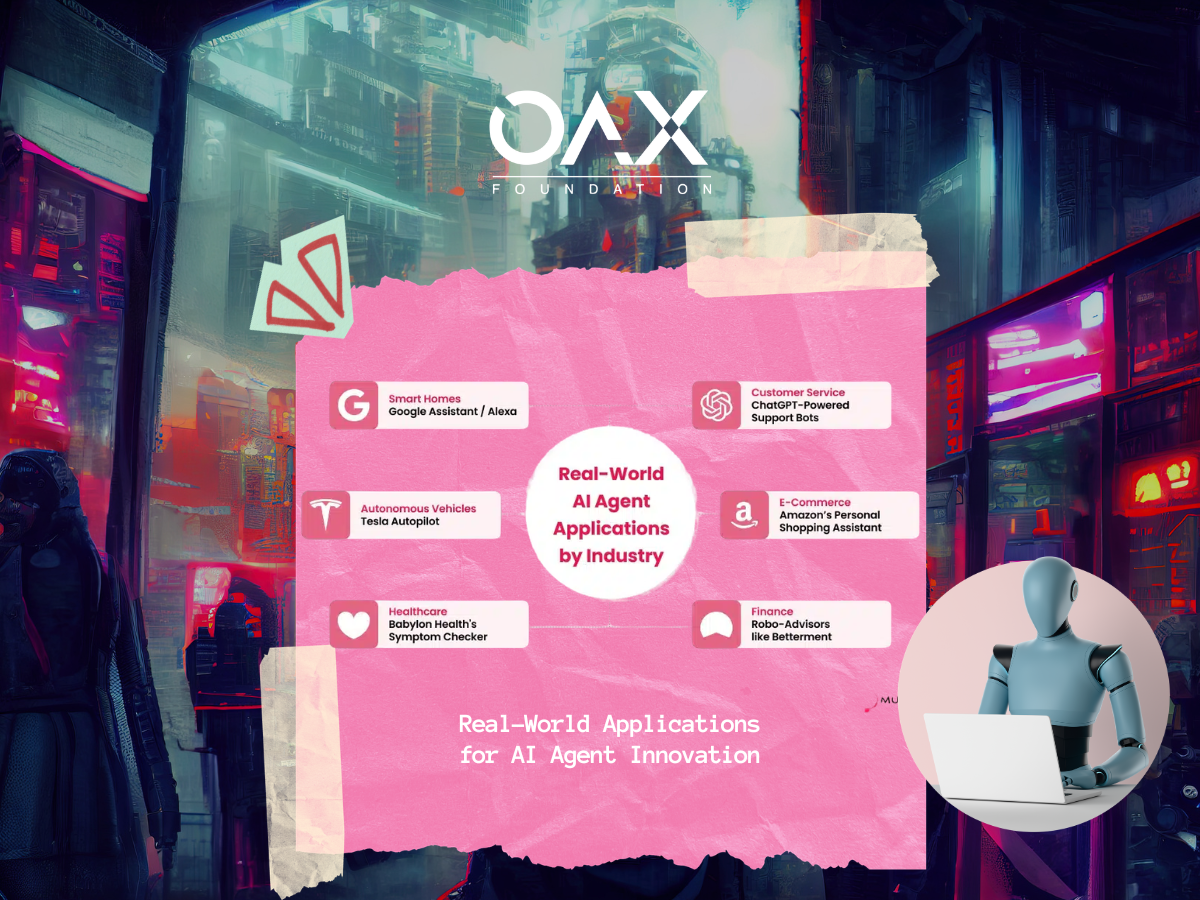
Salesforce Agentforce enhanced Slack capabilities and Microsoft Copilot with Copilot Studio and deeper integrations lead in enterprise settings. They connect safely to company systems like CRM, email, and productivity suites. Tools like n8n and AWS offerings help organizations automate workflows while keeping data secure and compliant. These platforms make agent use feel more like a controlled “digital coworker” than a wild experiment. For corporations, the focus is on bounded, repeatable tasks where governance is feasible.
Where Agents Are Delivering Value Today
Agents aren’t entirely new. Finance has used AI for years, think BlackRock’s Aladdin system managing trillions in assets with risk modeling and portfolio decisions. The difference now: modern agents handle unstructured data better and are more accessible beyond specialized teams.
Most impactful commercial use cases:
- Operations and Automation: Highest practical ROI for many. Agents handle repetitive multi-step work like report generation, data entry, supply chain optimization, or IT incident response. This frees people from tasks humans hate doing.
- Personal Assistants: Email summarization plus action taking, calendar management, research briefings. Tools like OpenClaw shine here for individuals and small teams.
- Sales, Marketing, and Customer Support: Lead enrichment, outreach automation, basic query resolution. Some see strong efficiency gains, but human oversight remains essential for quality.
- Trading and Transactions: Potentially huge impact, but carries the highest risk. Agents can monitor markets and execute within rules, yet errors or manipulations could be costly. Most organizations keep heavy guardrails or human approval here.
- Specialized areas (healthcare documentation, HR workflows, etc.): Growing but still maturing.
How to Build and Deploy Agents for Users:
Whether you’re an individual tweaking your own setup or a developer creating tools for clients, the same grounded approach helps:
-
Define Purpose Clearly: Keep scope narrow (e.g., “daily email summarizer and action taker”) instead of a vague “personal assistant.” Set objectives, constraints, tone, and expected output formats.
-
Choose Models: Strong reasoning options like Claude or GPT variants. Many use routing for cost efficiency (cheaper models for simple steps).
-
Add Capabilities: Tools (browser, APIs, email), memory (simple Markdown/JSON or vector databases), and planning loops.
-
Orchestration and Reliability: Use workflows for plan, execute, critique, retry. Add human approval for anything sensitive.
-
User Interface: Chat or messaging apps are easiest for adoption; web or embedded options for more advanced use.
-
Security and Governance: Sandbox tools, guardrails against injection, audit logs. Critical when sharing with others.
-
Testing and Iteration: Focus on real-world use, not just benchmarks. Monitor for loops or hallucinations and optimize costs.
-
Deployment: Start self-hosted, use cloud platforms, or no-code tools.
Best practices: Begin with single-agent focused tasks. For complexity, use manager plus specialist setups. Prioritize durability over flashy full autonomy. Frameworks aren’t the hardest part anymore. Making agents reliable, secure, and useful in messy real life is.
Challenges Developers and Users Face
A major challenge with AI agents is the reliability gap. Users expect a true “set it and forget it” experience, yet without strong monitoring, agents often fail, leading to frustration. Non-technical users need dead-simple interfaces, clear explanations, and easy overrides. Security and trust concerns are significant, with data leaks and rogue behavior prompting common fixes like sandboxing and secondary accounts. API costs add up quickly, and integrating agents with tools like email or CRM requires real effort. Success demands good expectation management: start narrow, prove quick wins, and scale gradually rather than chasing hype.
Final Thoughts: Opportunity with Eyes Wide Open
AI agents in 2026 are smarter and more capable than ever. They can act on your behalf and scale repetitive work. The OAX foundation believes they still need your direction and guidance, much like managing an elite intern. They don’t truly “think” strategically on their own; they are only as good as the context you provide.
Success comes from narrow, reliable value rather than chasing general-purpose hype. The biggest opportunities sit in the messy, human-avoided workflows that actually matter day-to-day. What are you experimenting with, a personal research agent, workflow automation, or something else? Drop a comment; we’d love to hear your experiences from the field.
Disclaimer: The above is an opinion piece written by an authorized author, but in no way represents the official standpoint of OAX Foundation Limited, nor should it be meant to serve as investment advice.