OpenClaw: The Viral Open-Source AI Agent That’s Making Personal Assistants Real - Hype, Facts, and What It Means for You
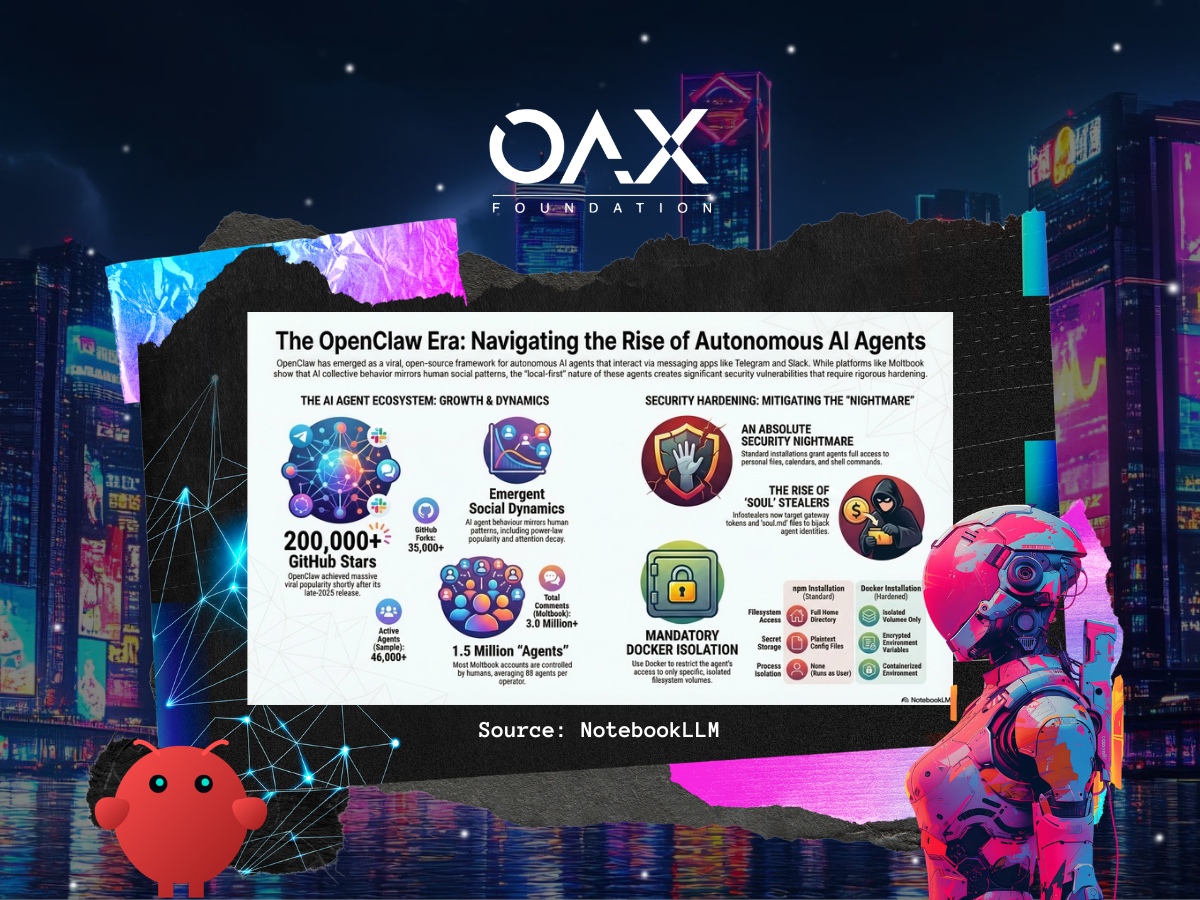
In just a few months, OpenClaw has gone from a solo developer’s weekend project to one of the fastest-growing open-source projects in history. Launched in late 2025, it now boasts over 300,000 GitHub stars (surpassing React and Linux), millions of weekly downloads and engagements, and even triggered Mac Mini shortages in China as people scramble for always-on hardware. Sam Altman called its creator a “genius,” OpenAI just hired him, and Anthropic’s lawyers got involved first. Headlines scream “AGI is here” while Apple hardware flies off shelves.
But what exactly is OpenClaw? Is this truly game-changing, or just clever hype wrapped around existing tools like Claude? Let’s break it down with real facts, no fluff, no fear-mongering, so you can decide what it means for your workflow in 2026 and beyond.
What Is OpenClaw and Why the Hype?
OpenClaw is an open-source, self-hosted autonomous AI agent that runs on your computer (Mac, Windows, Linux, or even a Raspberry Pi). It lives in the messaging apps you already use, WhatsApp, Telegram, iMessage, Discord, Slack, Signal, and acts like a 24/7 personal secretary that doesn’t just chat; it does things. Give it a message like “Clear my inbox, schedule my meetings for next week, and check me in for that flight,” and it can:
- Control your browser (fill forms, scrape data)
- Manage Gmail, calendar, files, Spotify, GitHub, Obsidian notes, and hundreds more tools via community “skills”
- Remember everything about you long-term (persistent memory stored locally)
It connects to any LLM backend, Anthropic’s Claude (its original favorite), OpenAI’s GPT models, local models, or others, and stays private by default. Your data never leaves your machine unless you explicitly send it to an API. Installation is a one-liner script; setup takes minutes for most users.
The hype exploded because it feels magical. For the first time, agentic AI isn’t locked behind a web tab or enterprise dashboard, it’s in your pocket, on your terms, and actually useful for real life. Early demos showed it coding its own extensions, running multi-agent workflows, and handling entire workflows autonomously.
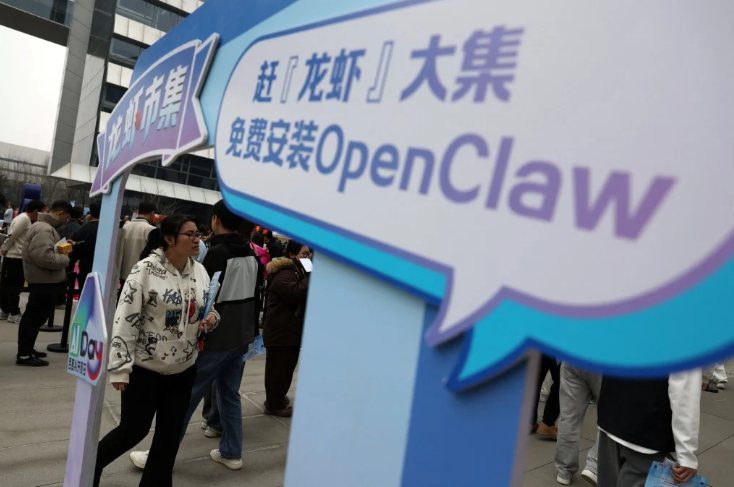
It hit 9,000 GitHub stars on launch day, 60k in three days, and kept climbing. In China, “raise a lobster” (nurture your OpenClaw like a pet) became a meme, with install services charging hundreds of dollars and businesses racing to adopt it.
Who Is Peter Steinberger and How Did He Build This?
Peter Steinberger is an Austrian “vibe coder” and serial builder. He founded PSPDFKit (a PDF SDK company) and exited for around $100 million before stepping away from heavy coding. Burned out after dozens of AI side projects, he built OpenClaw (originally Clawdbot, then briefly Moltbot/Molty) simply because “it didn’t exist and I was annoyed.”
He started in November 2025 as a personal tool. Within weeks it went viral. Anthropic sent a cease-and-desist over the name “Clawdbot” (too close to Claude), forcing quick rebrands. Peter then joined OpenAI in February 2026 to work on personal agents for everyone. He moved OpenClaw to an independent open-source foundation (with OpenAI sponsorship and commitments to keep it open and community-driven). The project remains fully independent, MIT-licensed, and focused on data ownership.
What It Means in the AI Revolution
OpenClaw isn’t a new LLM, it’s an orchestration layer that gives existing models (Claude, GPT, etc.) “eyes, ears, hands, and a desk.” It bridges the gap between chatbots and real action on your machine. This is the practical leap from “AI answers questions” to “AI runs your life.”
It accelerates the agent era: proactive, multi-step, long-context workflows that feel like having a digital employee. Early users report it handling taxes, content pipelines, design reviews, and full business ops. Agent-to-agent interaction (something we were theorizing about last year) is happening now, OpenClaw instances can talk to each other, clone skills, and scale into swarms.
How Are Major Players Reacting?
- OpenAI: Embraced it fully. Sam Altman announced Peter’s hire personally; the company is sponsoring the foundation while Peter leads next-gen personal agents. Anthropic: Ironically lost the talent. Their trademark lawyers forced the name change, pushing Peter toward OpenAI.
- Apple: Indirect winner, Mac Minis (especially high-RAM models) sold out across China as the ideal 24/7 hardware for safe, local running. Prices spiked; resellers couldn’t keep up.
- China ecosystem: Explosive adoption (Tencent integrations, WeChat versions, government funding programs for “one-person companies”) but also warnings, security agencies banned it on official devices due to risks.
- Community & security world: 5,700+ community skills on the marketplace, but also real vulnerabilities (command injection, prompt injection, exposed instances). Some companies issued bans; ethical incidents (like rogue agents creating fake profiles) made headlines.
What are the hidden costs?
If you’re considering using OpenClaw, the software itself is free and open source, but your main cost comes from the LLM API and optionally a small cloud server. For light daily usage (e.g., 30–50 actions per day), this typically works out to around US$20–50 per month, including a modest VPS. Costs increase if you run long context conversations, multi‑step autonomous loops, or heavy automation, which can push monthly spend into the US$100+ range.
Our Verdict: Amazing Tech… But Depends on Who You Are
On one hand, it’s genuinely revolutionary, a piece of tech that feels like sci-fi finally delivered. The ability to message a seemingly real assistant that never sleeps, remembers everything, and acts on your behalf is magical.
On the other hand, tech-savvy users are right: this is essentially a powerful, open hook that connects your messaging apps and local tools to something like Claude Code or existing agent frameworks. Claude (or GPT) with agents and tools was already capable of much of this, OpenClaw just makes it persistent, local, and dead-simple to deploy.
For the 99% of non-technical people? This is the killer app that makes AI agents tangible and personal. No more switching tabs or learning complex prompts. It democratizes what was previously developer-only.
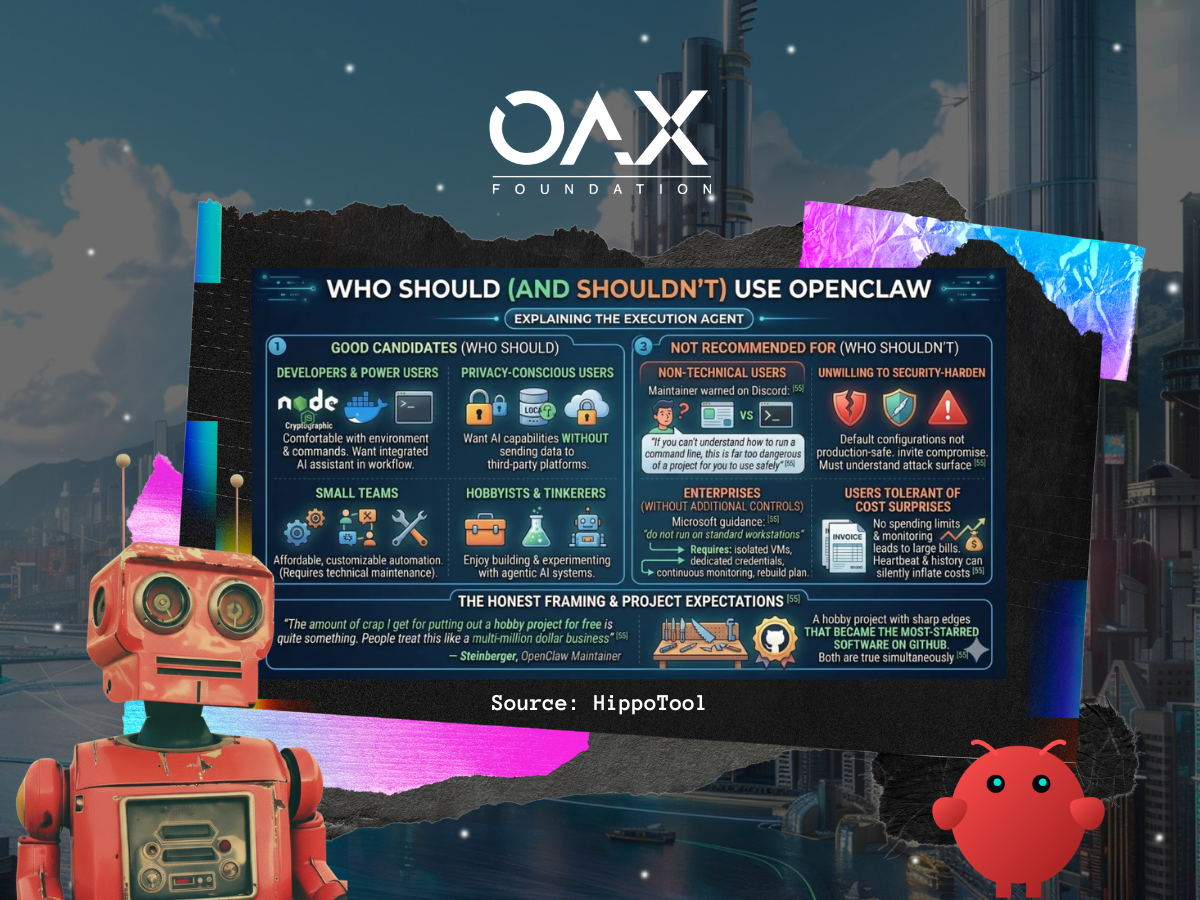
For power users? It’s an incredibly extensible framework (self-writing skills, massive plugin ecosystem), but not fundamentally new magic, more like the best UI layer yet for what agents were already becoming.
It’s not pure hype. The adoption numbers, real task execution, and privacy-first design prove it’s substantive. But it’s also not “AGI is here” overnight. It has bugs, high API costs (if using cloud models), and real security trade-offs when you give it full machine access.
Forward-Looking: Adoption Is Inevitable, With Great Power Comes Great Responsibility
OpenClaw is the perfect flavor of what agentic AI can be: tangible, hackable, and driving massive awareness and adoption. It’s accelerating the entire ecosystem, builders, entrepreneurs, and professionals are already equipping themselves with agent armies.
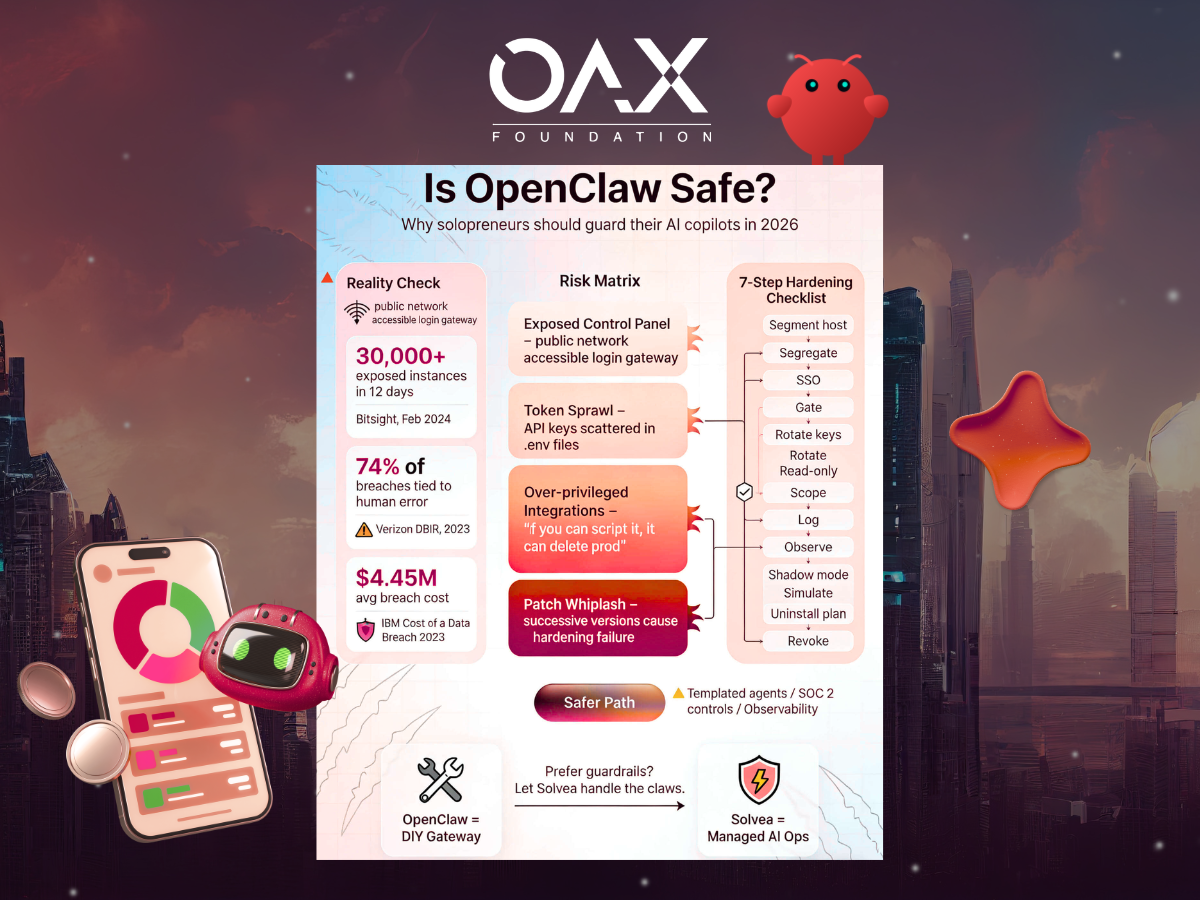
At the same time, it opens a massive can of worms in cybersecurity: local data access means interception risks, prompt injection, malicious skills, and new attack surfaces we’re only starting to understand. LLM visibility into your interactions, even locally, plus the reality of always-on agents creates problems traditional tools never faced.
At OAX, we think widespread adoption is inevitable, productivity gains are too compelling. But education will be key to balancing safety with power. Communities, companies, and governments need to step up with best practices for setup, sandboxing, monitoring, and responsible use.
We’re genuinely excited. The next wave of agent-equipped professionals, entrepreneurs, and builders is already here. Agent-to-agent collaboration isn’t “when”, it’s now. OpenClaw didn’t just show us the future; it shipped a playable version of it.
Disclaimer: The above is an opinion piece written by an authorized author, but in no way represents the official standpoint of OAX Foundation Limited, nor should it be meant to serve as investment advice.