Your Stocks Are About to Live on Blockchain, Whether Wall Street Likes It or Not
The Builders Never Stopped, Even When Your Eyes Are on BTC and ETH
Even when Bitcoin and Ethereum prices dominate every headline and group chat, the blockchain world never actually paused. Builders kept shipping code, launching networks, and pushing real-world adoption forward, quietly and relentlessly.
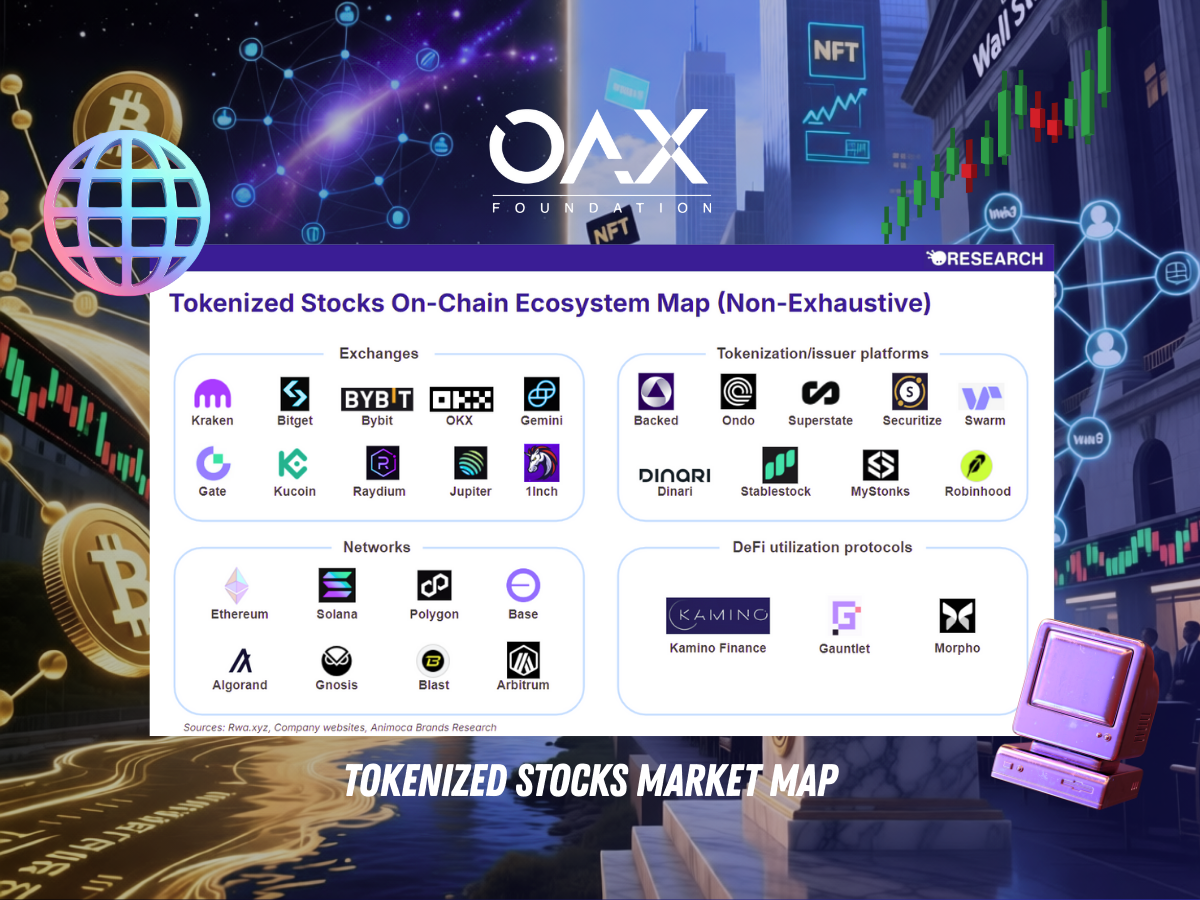
One of the biggest developments in 2025 has been the rapid rise of real-world asset (RWA) tokenization, and inside that category, nothing has sparked more debate than the tokenization of stocks. Robinhood, Kraken, Gemini, Coinbase, and even Nasdaq are either living with tokenized equities in Europe or racing to get regulatory approval in the U.S.
The pitch is simple but bold: trade Apple, Tesla, or Nvidia shares 24/7, settle instantly, own tiny fractions, and do it all with a crypto wallet. The question everyone is asking is straightforward: the traditional stock market already works pretty well, so why are we tokenizing stocks at all, how does it actually work, and what does it mean for markets longer term?
How Tokenized Stocks Actually Work , Asset-Backed vs Synthetic
The mechanics are more nuanced than most marketing suggests. In a proper asset-backed model, a regulated custodian buys and vaults the real shares, then a smart contract on Ethereum, Solana, or another chain mints an exact 1:1 digital token backed by those reserved shares; regular audits and on-chain attestations prove the collateral is there.
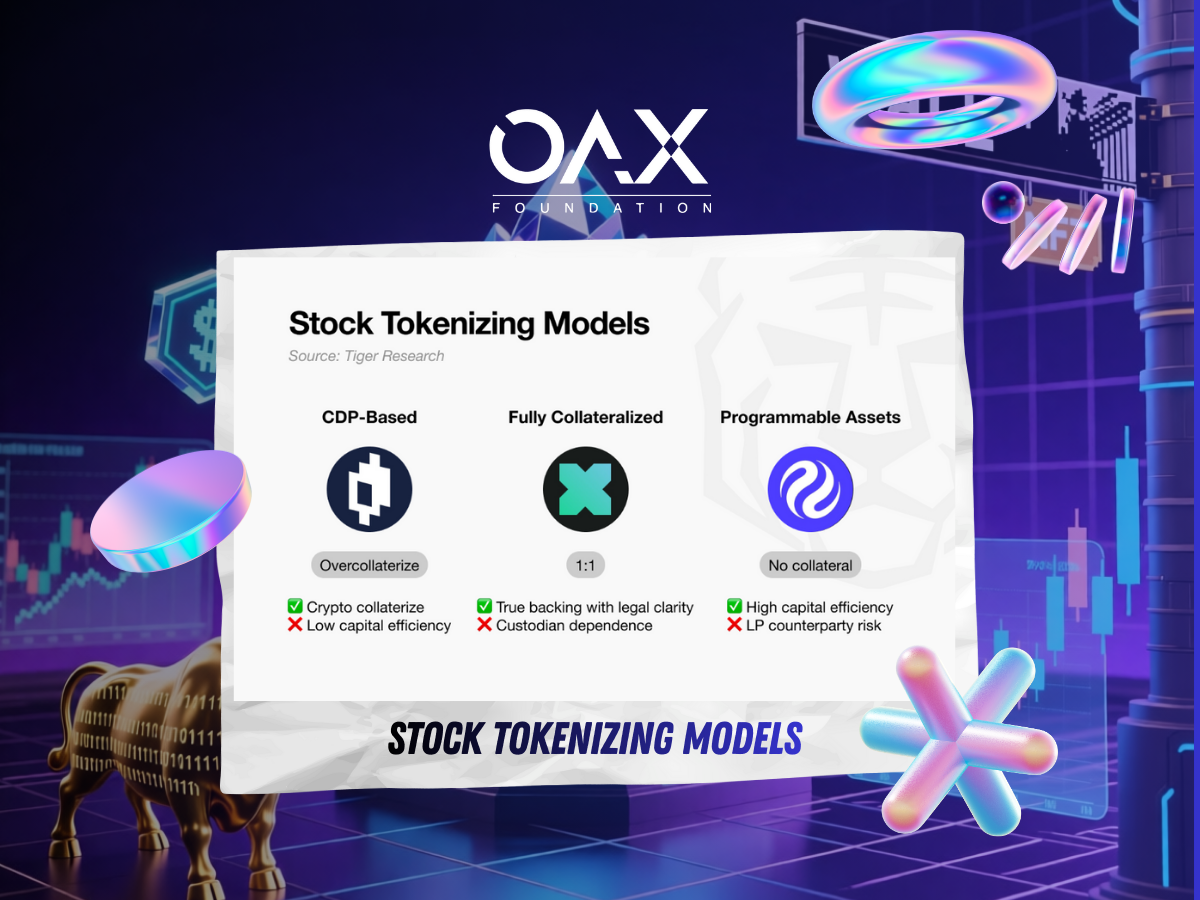
In the more common synthetic version, no real shares are ever purchased , the token simply mirrors the price using oracles and derivatives. Either way, once issued, the tokens trade on crypto exchanges or DEXs outside traditional market hours, and the smart contract can handle instant settlement, automatic dividend distribution, or redemption back into the underlying value (when redemption is even offered).
The catch, as Clifford Chance partner Diego Ballon Ossio put it, is that many of these products are “synthetic instruments” dressed up as real shares, and the burden falls entirely on the buyer to read the fine print and understand exactly what rights , or lack of rights , they actually have.
Why Buy Tokenized Stocks When Robinhood Already Exists?
So why would anyone choose a tokenized version over a normal brokerage account? The promised advantages are real: true fractional ownership down to eight decimals, genuine 24/7 trading so you can react the moment news breaks anywhere in the world, near-instant settlement instead of T+1 or T+2, and global accessibility without a dozen local brokers or currency headaches.
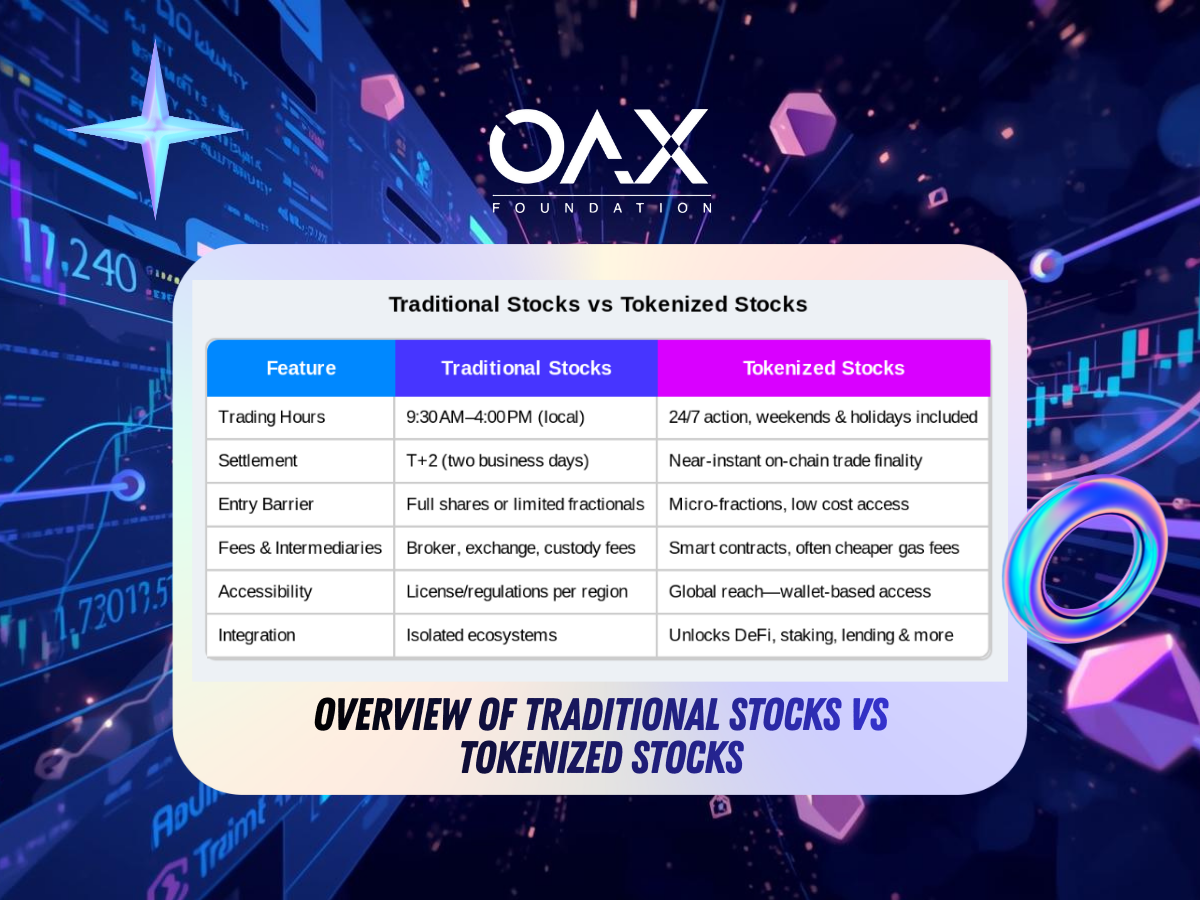
For high-priced stocks or for investors in emerging markets, those features are genuinely useful. Yet for most liquid U.S. equities, the benefits feel marginal , stocks are already digital, already fractional on Robinhood or Fidelity, and only about fifteen tickers even trade above $1,000 anymore. In practice, much of the early volume seems driven by blockchain hype, regulatory arbitrage, or simple curiosity rather than solving a burning problem that traditional markets left unsolved.
The Risks You Can’t Ignore, This Isn’t Just Another ETF
The risks, meanwhile, are far from theoretical. Most tokenized stocks give you economic exposure but strip away traditional shareholder rights, no voting, no proxy materials, sometimes delayed or missing dividends. When traditional exchanges are closed, off-hours trading can send the token price drifting far from the underlying stock. Liquidity is still tiny compared to NYSE or Nasdaq, so bid-ask spreads can be brutal.
Custodial risk is real: your token is only as safe as the platform and the entity holding the real shares (or claiming to). Regulation remains a patchwork, Europe is moving faster, the U.S. SEC still treats these as securities, and many platforms simply block American users entirely. Wall Street incumbents are lobbying hard against any blanket exemptions that would let crypto-native firms bypass broker-dealer rules.
Where the Real Revolution Lives, Private and Illiquid Assets
The bigger picture is where things get interesting. Tokenizing public stocks may turn out to be the least important part of this trend. The truly transformative use cases are private and illiquid assets that are painful to trade today: pre-IPO shares in OpenAI or Animoca Brands, private equity funds, commercial real estate, fine art, or intellectual property.
In Asia, particularly in Hong Kong, which is positioning itself as a leading Web3 hub, the government has taken the initiative to tokenize green bonds. Local startup DigiFT has partnered with UBS to tokenize money market funds through its uMINT product, bringing traditional investment vehicles on-chain. Additionally, Cyberport, the city’s hub for nurturing innovators, has begun exploring the use of smart contracts for tenants’ leasing agreements, enabling investors to share in the profits generated.
Bull vs Bear of Tokenizing Real World Assets
The bull case is that regulated tokenization of private markets could unlock hundreds of billions in trapped value and eventually merge capital markets onto a single, always-on, instant-settlement ledger.
The bear case is equally sharp: most retail tokenized stock products today are synthetic exposures with fewer protections, marketed aggressively to people who don’t fully understand what they’re buying, while traditional finance fights tooth and nail to protect its turf.
In the end, tokenizing public equities probably won’t displace NYSE or Nasdaq, but it is a stepping stone. The infrastructure being built right now, 24/7 rails, programmable ownership, seamless global access, will matter enormously when the next generation treats “stocks” and “crypto” as the same thing.
The OAX Foundation will see market prices keep swinging, but the blockchain infrastructure being laid beneath the noise is what will shape markets for decades. The builders never stopped, and the fusion of traditional finance with digital assets is already further along than most people realize.
Disclaimer: The above is an opinion piece written by an authorized author, but in no way represents the official standpoint of OAX Foundation Limited, nor should it be meant to serve as investment advice.