June 2026 Community Updates
Markets & AI: The Hype Hits the Public Stage
June was the month AI went truly public, in more ways than one. SpaceX made history mid-month, raising $75 billion in the largest IPO ever recorded, with shares surging 19% on debut to value the company above $2 trillion. The market frenzy that followed was a signal of where appetite sits right now , not just in rocketry, but in AI infrastructure. OpenAI and Anthropic have both filed paperwork with the SEC, with analysts expecting those listings to follow later this year.
But as we close out June, the mood has shifted. Markets are retreating, and the questions getting louder are the ones investors have been quietly holding: are these companies actually making money? Analysts have drawn parallels to the late-1990s dot-com bubble, with some flagging that a flurry of mega-cap IPOs at eye-watering valuations could mark a market top. The AI sector has burned through capital at scale, and the public markets are now the venue where the rubber meets the road on profitability.
On the digital assets side, it’s been a quieter month , holding steady while smart money rotates into AI and chips. TSM and MU have been the beneficiaries, reflecting where institutional conviction sits in this cycle. How July unfolds will tell us a lot.
We covered the SpaceX IPO in depth on our blog , worth a read if you want our take on what it signals for the broader AI infrastructure thesis.
Source: Today.com
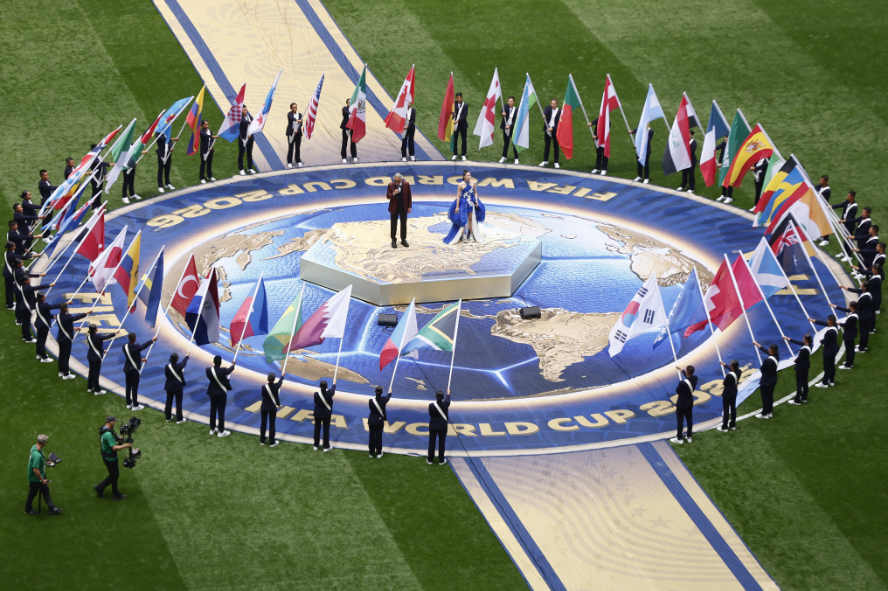
Oh, and it’s World Cup month the excitement is everywhere, and we’re seeing no shortage of brands leveraging the moment to roll out real AI use cases. Read on.
GMAsia: Building the Knowledge Layer
Which brings us to the bigger picture. While markets debate the bubble, we’ve been focused on something more durable: helping people actually understand and use AI.
That starts with GMAsia News, tracking the pulse of tech and AI across Asia so our community , whether based in the region or watching how AI is reshaping it from the outside, always has a clear read on what’s happening and why it matters.
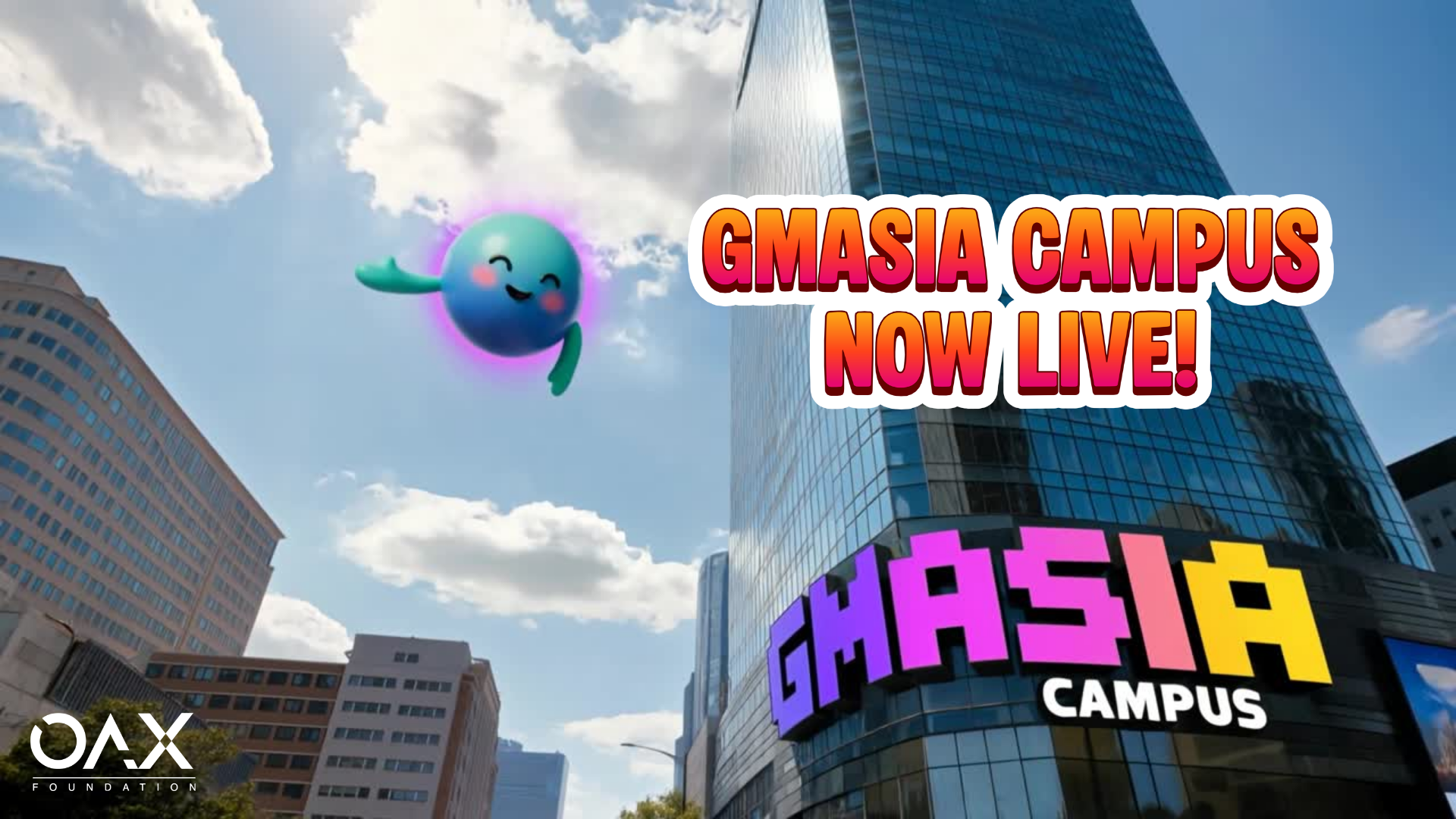
But we don’t think understanding AI is just a screen-based exercise. We also believe impact happens through different formats, which is why GMAsia surfaces events and conferences across the region too , more on that below. And for those ready to go deeper, this month we launched GMAsia Campus, our AI literacy platform, free to access. The first courses are live, with more on the way. No technical background required, if you’re not sure where to start, just ask Nexa, our AI guide, who’ll point you toward what’s most relevant for you.
We’re also actively looking for partners to enrich what’s on GMAsia, and to walk the talk ourselves, we’re committed to being early adopters of the technology we teach, so we can serve our community better as the platform grows.
AWS Summit Hong Kong: A Year of Implementation
This is exactly the kind of physical-format learning we mean. We cover events like AWS Summit because industry professionals learn AI differently in a room, through demos, conversations, and the kind of connection that doesn’t happen on a feed.
And the difference from last year was night and day, packed rooms, a palpable urgency from professionals who know they need to upskill, and a programme built around real enterprise deployments, not demos for demo’s sake.
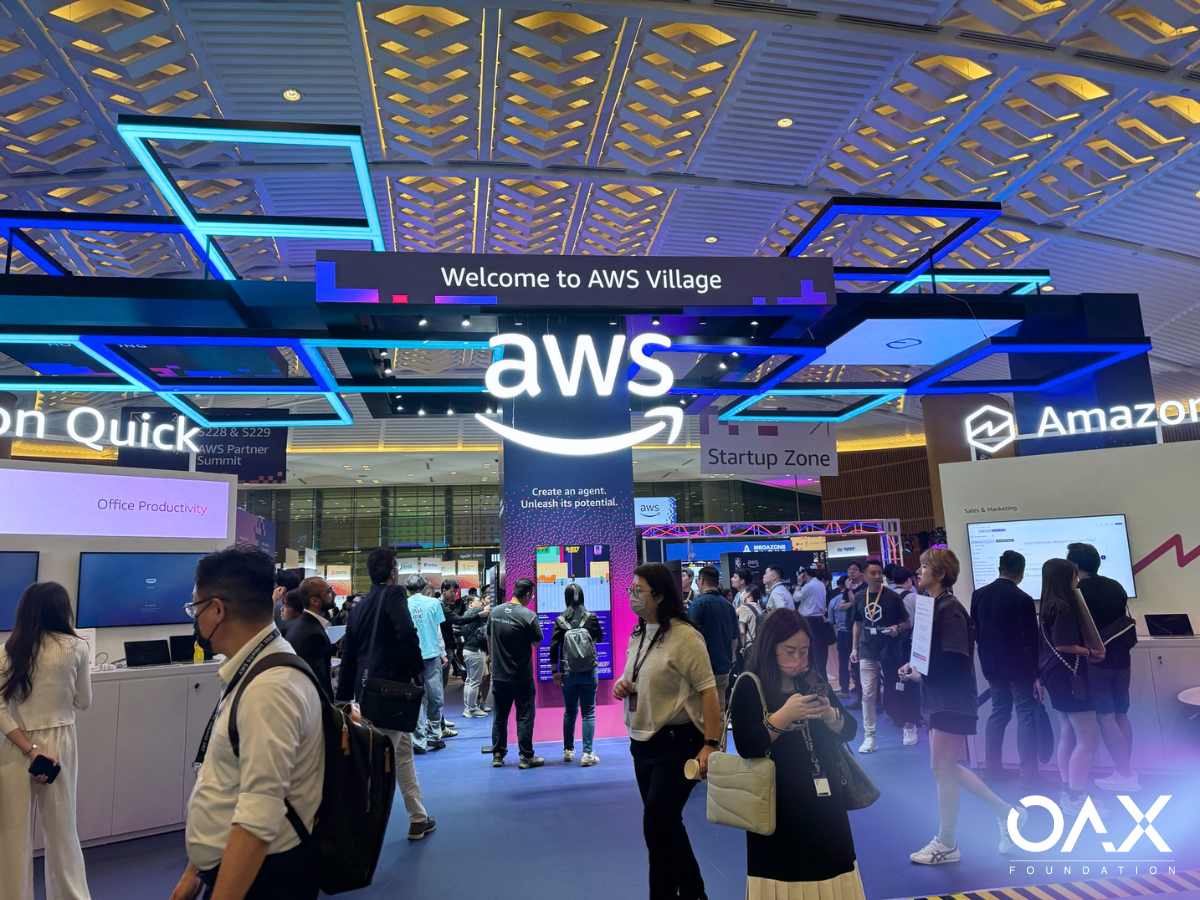
Three showcases stood out:
Crypto.com, shared their approach to AI and security, especially timely given the pace of new vulnerabilities being discovered and exploited.
HKT / NOW TV, leveraged the World Cup moment to show how AI agents can deliver genuinely personalised consumer experiences at scale, the kind of tailored broadcasting that was simply not feasible before.
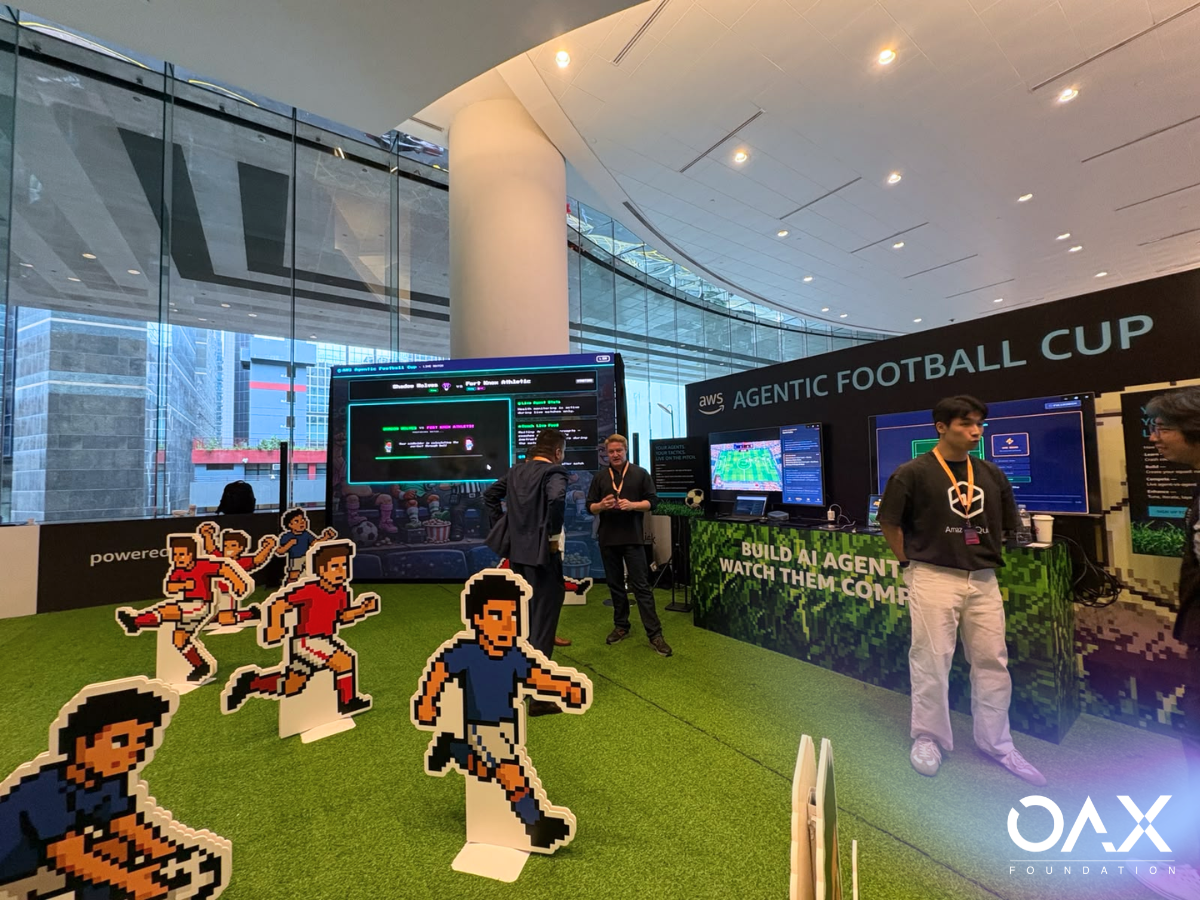
Animoca x AWS, perhaps the most creative application: a collaborative football game where developers compete by coding AI agents to play. It’s gamified training, builders learning agent architecture through competition, not classrooms.
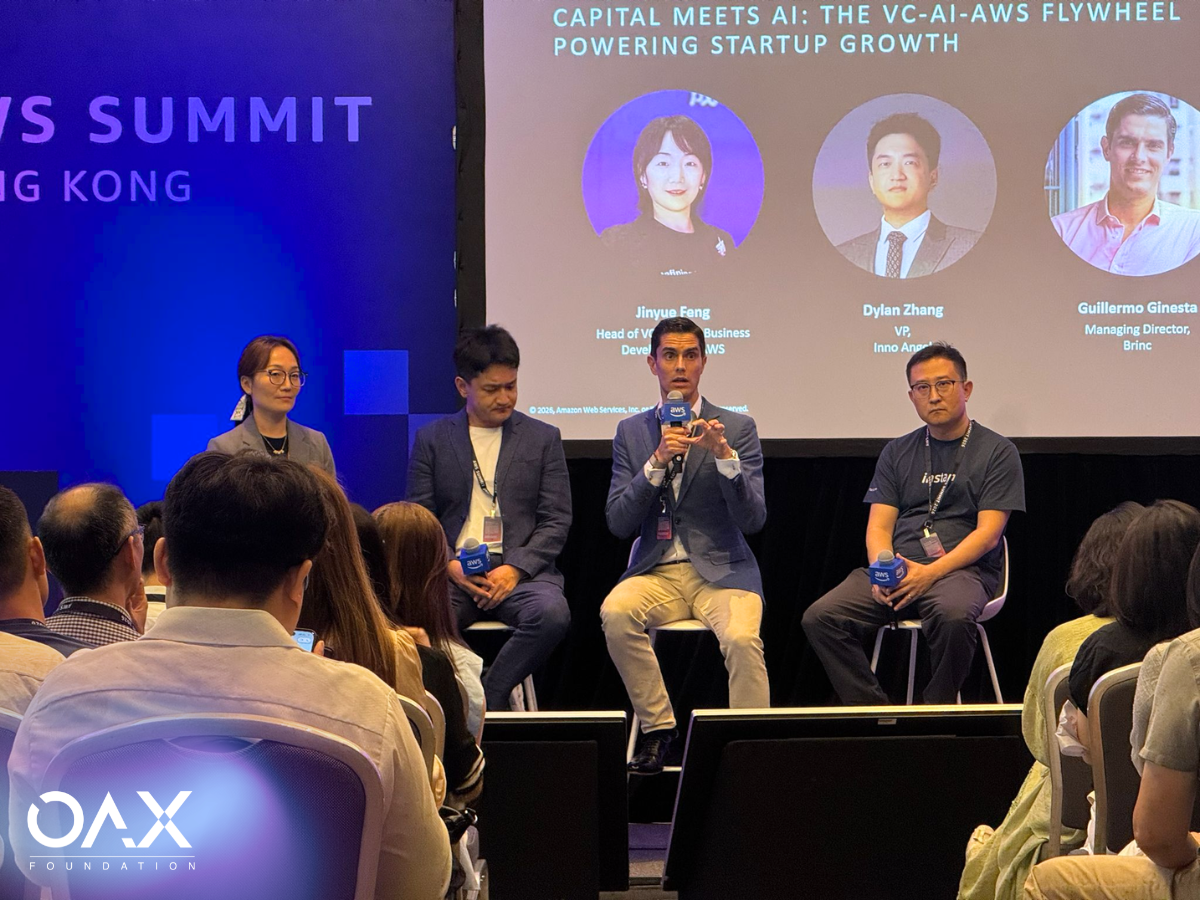
AWS Summit: A VC’s View on What Gets Funded
Beyond the showcases, one of the sharpest sessions came from Guillermo, Managing Director at Brinc, who broke down what actually gets a startup funded in this environment and the bar is high. Brinc backs only 2% of the roughly 2,000 companies it sees, filtering for product-market fit (a real POC or pilot, not a deck), a full-time founding team with a genuine technical lead, and founders solving a problem they’ve actually witnessed rather than one they simply find interesting.
Perhaps the most telling criterion: would you want to work with this founder for the next five years? Funding decisions, in other words, are still fundamentally about people, not just technology.
On where AI goes from here, Guillermo was candid that the pace makes forecasting difficult but offered a few bold calls for the next 18 months: a Hong Kong AI IPO is coming, the internet will start to fragment into an “agent-optimised” layer built for machines rather than humans, and most pointedly AI still has real gaps in creativity and the “social” dimension of integrating with society in a genuinely positive way. That last point landed close to home: it’s precisely the kind of human-centred thinking GMAsia is built around as we scale AI literacy across the region.
What AWS Summit confirmed is what we already believe: the demand for practical AI education is real, urgent, and underserved. GMAsia exists precisely to meet that gap.
AI Tinkerers Hong Kong: Where the Builders Are
If AWS Summit is where enterprises learn, AI Tinkerers is where we learn, by being on the ground with the people actually building. We’ve been close to this community for a while, a global network of builders who get together to share what they’re actually making, in an authentic, demo-first format. No polished decks. Just real work and real exchange.
Our participation here isn’t passive. It’s how we listen to what builders genuinely need, and it directly shapes how GMAsia continues to evolve, we’d rather build for real demand than guess at it.
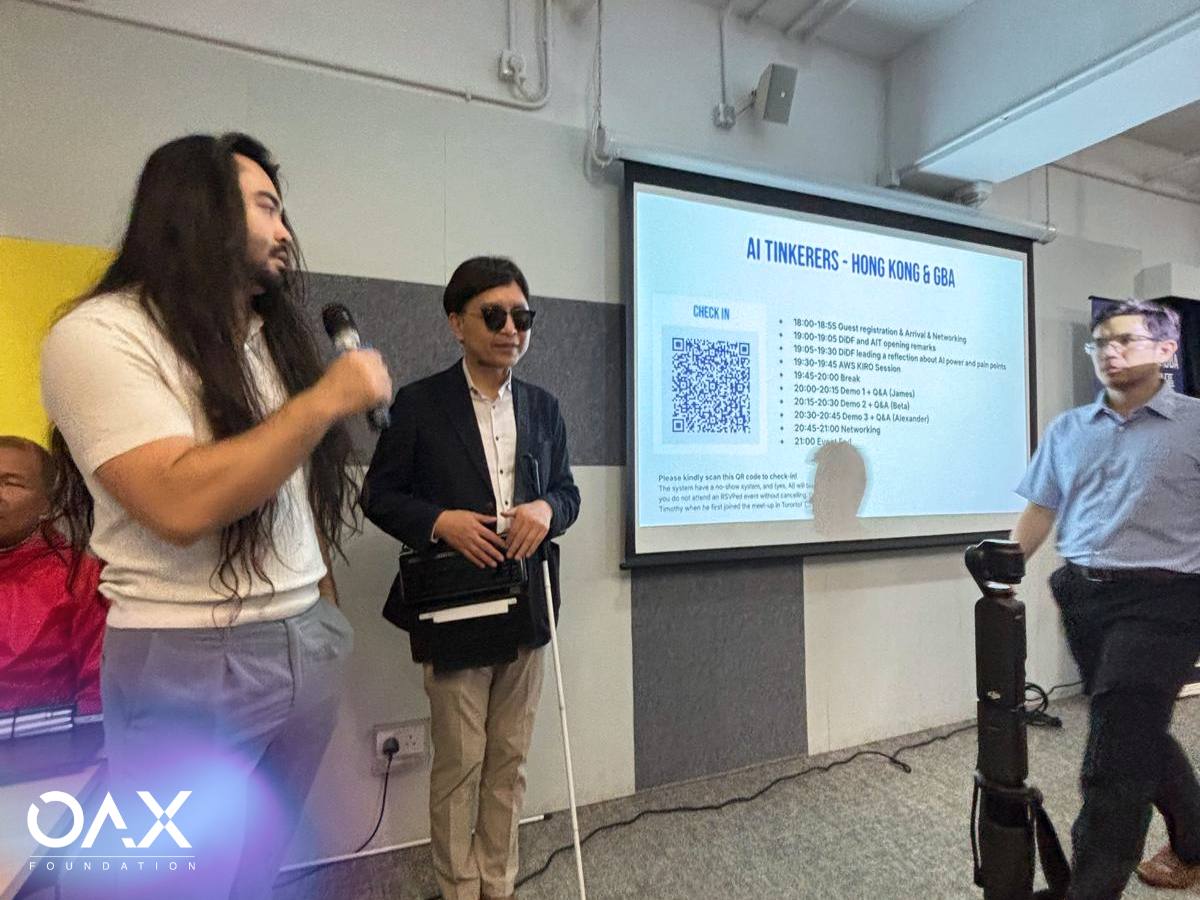
One partnership they’re exploring resonated with us: a collaboration with Dialogue in the Dark, which explores how people with visual impairments can engage with and build AI tools. It’s a powerful reminder that AI has genuinely levelled the playing field in ways we’re only beginning to understand, and a challenge to builders to take accessibility seriously as a design constraint, not an afterthought.
The HK chapter represents some of the most advanced builders in the city. OAX is close to this community and exploring how we can support what they’re building in the months ahead.
Nine Years of OAX
This month marks nine years since OAX began, from the early days of decentralised finance to where we stand now, at the intersection of AI and open financial infrastructure.
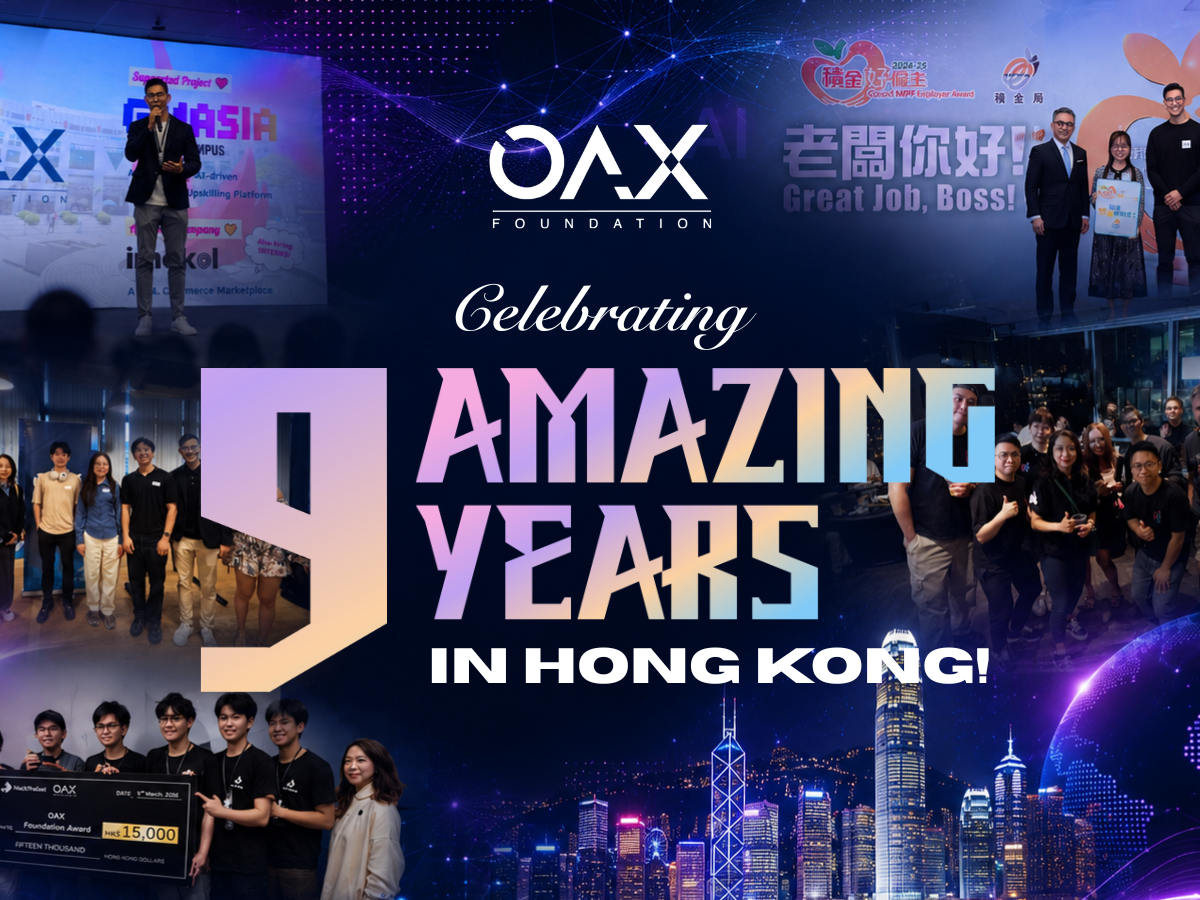
The throughline has always been decentralisation: putting tools and access directly into people’s hands. AI extends that spirit in a new direction, it’s not just information, it’s empowerment. It turns users into builders. The question we keep asking ourselves is how OAX can be the catalyst that speeds up that transition, starting in Hong Kong, expanding across Asia, and from there, the rest of the world.
There’s a lot ahead. We’re not stopping here.
The OAX Team
Disclaimer: The above is an opinion piece written by an authorized author, but in no way represents the official standpoint of OAX Foundation Limited, nor should it be meant to serve as investment advice.